

The Moment
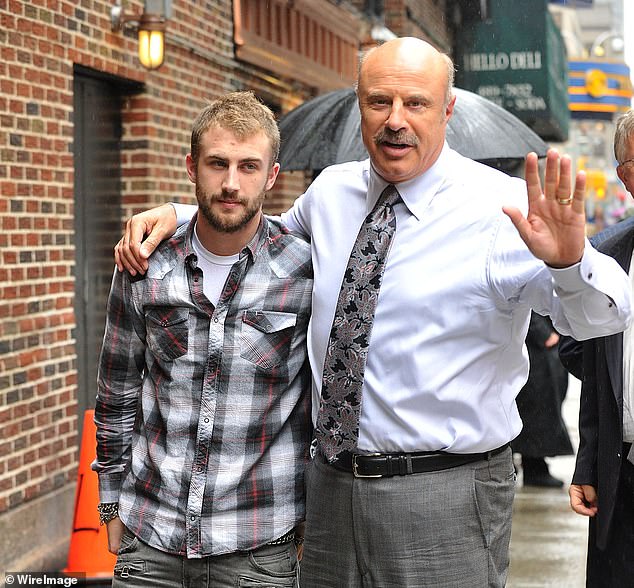
Dr. Phil’s son just found out the hard way that when you get “special access” to the NYPD, the city expects a veto pen.
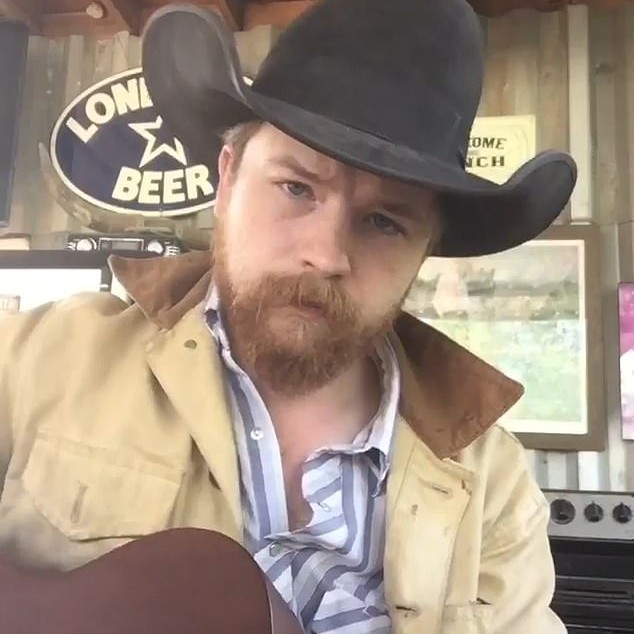
Jordan McGraw, a Texas-based producer and musician who also happens to be Dr. Phil’s kid, was granted rare behind-the-scenes access to New York police operations for an 18-episode docuseries, tentatively titled Behind the Badge. The pitch: show the “extraordinary work” of the NYPD.
Instead, he’s now facing a restraining order.
According to a lawsuit filed by New York City in Manhattan Supreme Court and cited in multiple January 23, 2026 news reports, the new administration under Mayor Zohran Mamdani says some of McGraw’s footage is so sensitive it’s literally “life-threatening.” We’re talking alleged shots of undercover officers’ faces, witnesses, juveniles, details of active investigations, and even a code to a precinct house.
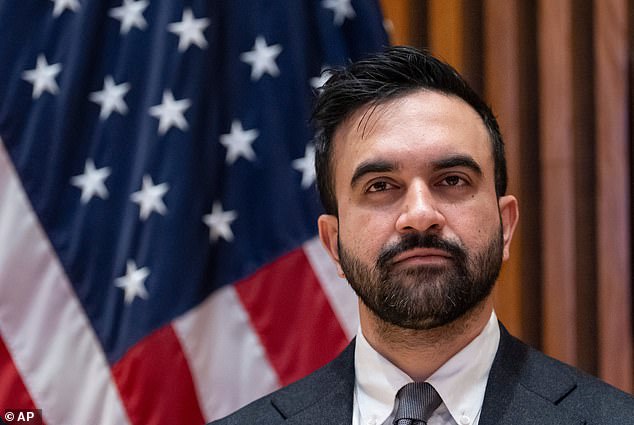
Within hours of the city filing its lawsuit, Judge Carol Sharpe signed a temporary order blocking McGraw and his company from selling, transferring, or distributing any of that video unless the “harmful” material is removed first.
McGraw’s camp says this isn’t about safety; it’s about censorship. His lawyers are pushing to move the case to federal court, framing it as a First Amendment and “prior restraint” issue – legal-speak for the government stopping you from publishing something before it goes out.
The Take
I’m just going to say the quiet part out loud: when a big-city mayor cozies up to a celebrity-adjacent producer for a glossy police docuseries, nobody is doing this for the poetry of truth-telling.
This started as an image rehab job. The NYPD would get a high-production love letter, and Jordan McGraw would get a prestige “serious storyteller” credit instead of just “famous daytime therapist’s son with a guitar.” Win-win… until it wasn’t.
Now it’s turned into exactly what happens when politics, policing, and celebrity media collide: a courtroom brawl over who owns the story.
On the city’s side, the alarm bells are not subtle. If even half of what they describe in the suit is accurate – undercover identities, witnesses, juveniles, active cases, and a security code shown on camera – then yes, that’s a nightmare combo of safety, privacy, and fair-trial problems. That’s not “edgy TV”; that’s exhibit A in a different kind of lawsuit.
On McGraw’s side, you can see why his team is yelling First Amendment. The judge’s order isn’t just saying “blur these faces, cut these scenes.” It’s a broad, don’t-sell-or-share-any-footage-unless-we-approve move. In the media world, that’s the legal equivalent of the fire alarm going off.
To me, this feels less like a heroic transparency fight and more like a very messy breakup between a production company and City Hall. Imagine a divorce where one side is screaming, “You promised to show my good angles!” and the other is yelling, “You recorded me without makeup and with my passwords on screen!” That’s where we are.
The uncomfortable truth: both things can be true at once. The government shouldn’t casually gag media – and a docuseries made with public officials is still media. But a production company also doesn’t get to wave the First Amendment like a magic wand over potential doxxing of undercover cops and minors.
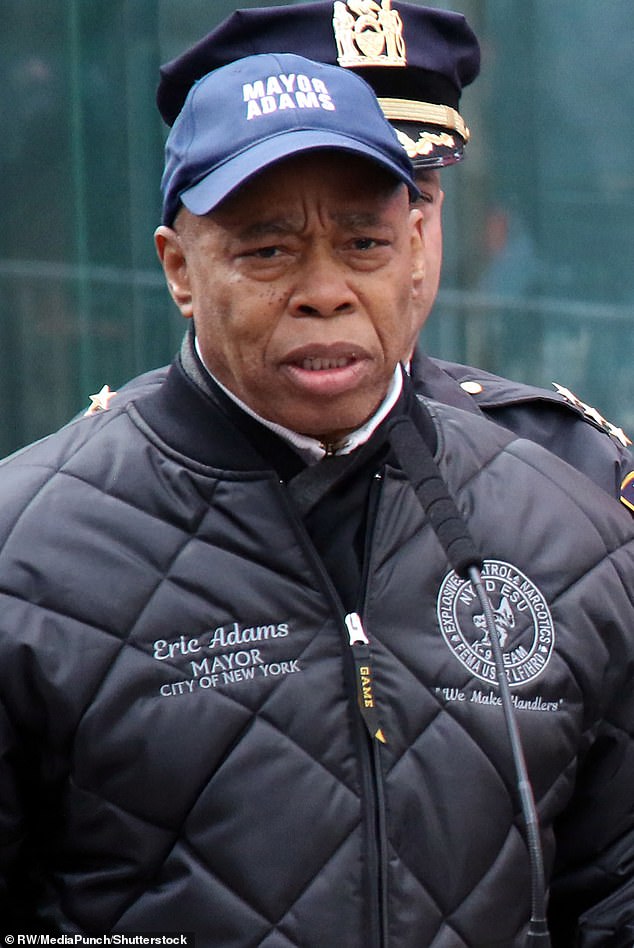
What really stings here is the whiff of political backstory. The original deal was greenlit under former Mayor Eric Adams, after his campaign reportedly paid one of McGraw’s companies around $500,000 for social media ads. That’s a lot of money and a lot of access, bundled together. When administrations change, so do priorities – and suddenly “Behind the Badge” looks less like a patriotic tribute and more like someone else’s PR liability.
In other words: this isn’t just a free-speech case or a safety case. It’s a reminder that when reality TV meets real guns and real court cases, the stakes are higher than ratings and reputations.
Receipts
Confirmed (based on court filings and multiple January 23, 2026 news reports):
- New York City filed a lawsuit in Manhattan Supreme Court seeking to block release of certain NYPD docuseries footage shot by Jordan McGraw and his company, McGraw Media.
- The city’s suit says the footage includes identities of undercover officers, witnesses, and juveniles, as well as details of ongoing investigations and a precinct access code.
- Judge Carol Sharpe quickly issued a temporary restraining order barring McGraw from transferring, selling, or distributing the footage unless the sensitive material is removed.
- The docuseries, tentatively titled Behind the Badge, was approved in April 2025 under former Mayor Eric Adams, with Adams’ chief of staff signing the contract.
- The city retained contractual “reasonable discretion” over what could air, due to the sensitive nature of police work.
- City lawyers say McGraw Media only turned in four proper rough cuts; the rest was described as an “unedited footage dump.”
- McGraw’s attorney, Chip Babcock, has publicly called the order a “presumptively unconstitutional prior restraint” and says they’ll fight to lift it.
- Former Mayor Adams has publicly praised the project and McGraw’s work, saying he hopes America gets to see the series.
Unverified / Contested:
- City officials allege McGraw and his company “disavowed their obligations” and tried to take editorial control from the city. That’s the city’s characterization; McGraw’s side disputes the idea they breached the spirit of the deal.
- Some unnamed former Adams staffers claim there was widespread concern inside the administration about the project from the start. These are reported anonymous statements, not on-the-record admissions.
- How imminent release of the series actually was: the city frames the threat as urgent, while McGraw’s attorney says no publication was about to happen.
Backstory (For Casual Readers)
If you only knew Jordan McGraw as “that guy who sometimes popped up around Dr. Phil,” here’s the cheat sheet. Jordan is Dr. Phil McGraw’s son – yes, the longtime TV personality who built a daytime empire giving tough-love advice on family drama. Jordan has his own career as a musician and producer and, like many Hollywood-adjacent kids, has dipped into TV projects.
Under former New York City Mayor Eric Adams, McGraw landed a plum deal: unique access to the nation’s largest police force for a long-form docuseries, allegedly right around the time another McGraw-linked company got big money from Adams’ campaign for digital ads. The show was supposed to “highlight” the NYPD’s work – think glossy ride-alongs and emotional stories of officers on the job.
But with a new mayor in office, a lawsuit on the table, and a judge stepping in, the project now looks less like a clean tribute and more like a legal landmine.
What’s Next
Legally, the next move is all about venue and limits.
McGraw’s team is trying to yank the case out of New York state court and into federal court, arguing this is fundamentally a free-speech and First Amendment fight. If a federal judge agrees, expect a louder national conversation about whether a city can sit on footage it helped create because it now says it’s dangerous or embarrassing.
On the city’s side, lawyers will work to keep the restraining order in place and possibly narrow it into something that looks more palatable: allow the show, but only after blurring faces, cutting operational details, and scrubbing anything that could compromise safety or trials.
There’s also the PR question. Former Mayor Adams has already gone on social media to defend the work and praise McGraw as having “exceptional talent” for telling the NYPD’s story. The current Mamdani administration is signaling the opposite: that this project is a high-risk mess they want shut down or heavily cleaned up.
The most likely outcome? A compromise where the most sensitive footage never sees daylight, a more sanitized version of Behind the Badge might eventually surface, and both sides will claim victory while quietly counting their legal bills.
But if a court comes down hard on the city’s side, don’t be surprised if other celebrity producers think twice before signing up for “inside access” deals with police departments. The glamor fades fast when your B-roll turns into evidence.
Sources
- New York City lawsuit filings against McGraw Media and related reporting, January 23, 2026.
- Coverage of the restraining order and project history in major New York and national news outlets, including details of the Adams-era contract and public statements by attorneys and former Mayor Eric Adams, January 2026.
Join the Conversation
Where do you land on this one: should courts lean toward protecting sensitive police work, or toward letting a controversial docuseries air and trusting editors and viewers to handle the fallout?





























Comments