

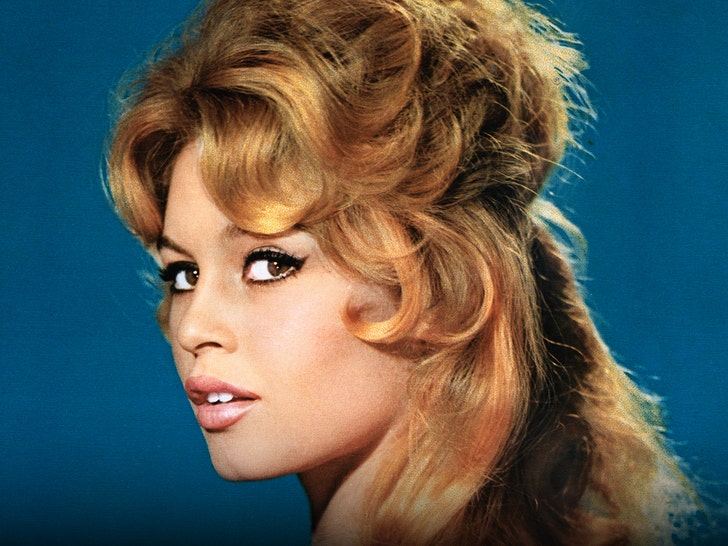
Brigitte Bardot has died at 91, and with her goes one of the last true Old Hollywood-style myths – blonde bombshell, tortured artist, furious animal defender, and yes, a lightning rod for controversy.
The Moment
According to a statement from the Brigitte Bardot Foundation shared with French news agency AFP on Sunday, the French actress and animal-rights activist died at her home in southern France. No cause of death has been made public.
The foundation said she spent her final decades devoted to animal welfare, far from the movie sets that first turned her into a global symbol of sexual liberation in the 1950s and 60s.
Bardot rose to worldwide fame in 1956 with the scandal-stirring film “And God Created Woman,” which helped recast onscreen femininity from demure to defiantly sensual. She retired from acting in 1973 at just 39, walking away at the peak of her fame – a move that still feels almost unthinkable in today’s fame-obsessed culture.

The Take
There are the Brigitte Bardot posters – tousled hair, cat-eye liner, sailor stripes – and then there’s the person behind them. And those two Bardots never quite lined up.
On one hand, she was the original “It girl” before the phrase even existed: a European answer to Marilyn Monroe, but with a distinctly French shrug about it all. She made desire look casual, like she had somewhere better to be. The camera adored her, the public devoured her, and whole generations copied her bangs.
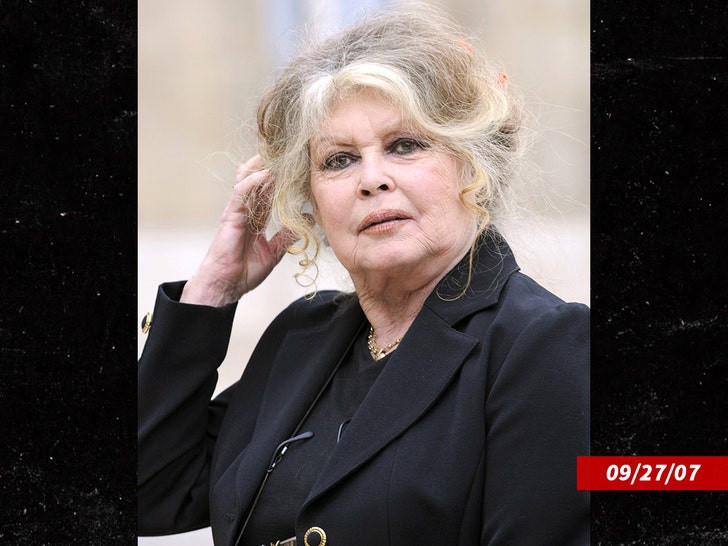
On the other hand, she spent much of her adult life saying she hated the attention, struggled heavily with mental health, and ultimately turned her back on the film industry as if it were a bad habit she needed to quit. In today’s language, you’d say she opted out of the machine.
And then – because celebrity stories rarely stay simple – came the politics. In later life, Bardot’s public image was complicated by repeated hate-speech convictions in France over comments about immigration and Islam. For many, especially younger generations, her legacy isn’t just the tousled hair and Riviera bikinis; it’s also those court cases and statements that felt completely out of step with the liberated, boundary-pushing woman they thought she was onscreen.
So what do you do with a figure like that? Bardot is a bit like an old family photo album: gorgeous, nostalgic, and deeply uncomfortable when you look too closely at some of the captions. You can’t pretend the messy parts aren’t there, but you also can’t pretend her impact on film, fashion, and ideas about women’s freedom never happened.
Her death doesn’t neatly close the book; it just freezes the paradox in place. For millions, she was a fantasy. For herself, she often said she felt like the fantasy had swallowed the person. And that tension – between image and reality – might be her most modern quality of all.
Receipts
Confirmed
- Bardot’s death at 91 was announced by the Brigitte Bardot Foundation in a statement relayed via French news agency AFP on December 28, 2025.
- The foundation said she died at her home in southern France; no cause of death has been released publicly.
- She became an international star with the 1956 film “And God Created Woman” and was widely seen as a symbol of sexual liberation in postwar European cinema.
- She retired from acting in 1973 at age 39 and focused on animal-rights work through the Brigitte Bardot Foundation.
- She had one son, was married four times, and had well-documented relationships with several high-profile men, including actors and directors.
- French courts repeatedly convicted her of inciting racial hatred in the late 1990s and 2000s for comments she made about Muslims and immigrants in France; she received fines but no prison time, according to contemporary court records and press reports from those years.
Unverified / Contextual
- Specific details about her final illness have not been made public as of now.
- Private family reactions and funeral plans had not been formally announced at the time of the initial reports.
Sources: Official statement via the Brigitte Bardot Foundation relayed by AFP (Dec. 28, 2025); contemporaneous French court records and reporting from the late 1990s-2000s; Bardot’s own published memoirs and archived interviews about her retirement and animal-rights work.
Backstory (For Casual Readers)
If you’re more “I recognize the hairstyle” than “I’ve seen her entire filmography,” here’s the short version. Brigitte Bardot started as a teen model, landing the cover of Elle magazine at 15. She moved into French cinema in the early 1950s and became a sensation by the middle of the decade, starring in films like “And God Created Woman,” “Naughty Girl,” and later “Babette Goes to War.” She crossed into English-language projects, acting with Hollywood legends like James Stewart in “Dear Brigitte” and Sean Connery in “Shalako.”
Her look – heavy eyeliner, full hair, off-the-shoulder tops – basically wrote the style handbook for 1960s bombshells. At the same time, she was open about struggling with the pressures of fame, including at least one reported suicide attempt in 1960. By the early 1970s she was done with acting, devoting her life to animals and, later, taking public positions on immigration and French identity that drew sharp criticism and legal penalties.
What’s Next
In the short term, expect an avalanche of retrospectives: film clips, fashion tributes, and think pieces trying to square Bardot the symbol with Bardot the person. Streaming platforms will almost certainly spotlight her best-known movies, and younger viewers may discover – or rediscover – just how modern some of those performances feel, even now.
We’ll likely see official details in the coming days about memorial arrangements in France and statements from her family and from the Brigitte Bardot Foundation. The foundation itself, which has been a major force in European animal-rights campaigns for decades, will be watched closely: Does it continue exactly as she built it, or evolve now that its namesake is gone?
And then there’s the long term: how culture decides to remember her. Do we file her next to Monroe and Sophia Loren, as a style and cinema icon? Do we center the later-life controversies? Or do we finally learn to hold both truths at once – that someone can change an era and still fall painfully short of the ideals they seemed to represent?
As the tributes – and the critiques – start rolling in, one thing is certain: Brigitte Bardot’s passing won’t just be treated as the loss of a movie star. It’s going to reopen a whole conversation about beauty, fame, aging, and what we now expect from the women we put on pedestals.
Your turn: When you think of Brigitte Bardot now, what stands out more for you – the groundbreaking screen icon, the animal-rights activist, or the deeply problematic public opinions that followed?








Comments