

The Moment
Call it the most British scandal of them all: punctuation. Buckingham Palace is reportedly reconsidering how to style Prince Andrew’s surname, with talk of restoring the hyphen so it reads Mountbatten-Windsor—exactly as the late Queen Elizabeth II set out in a 1960 declaration.
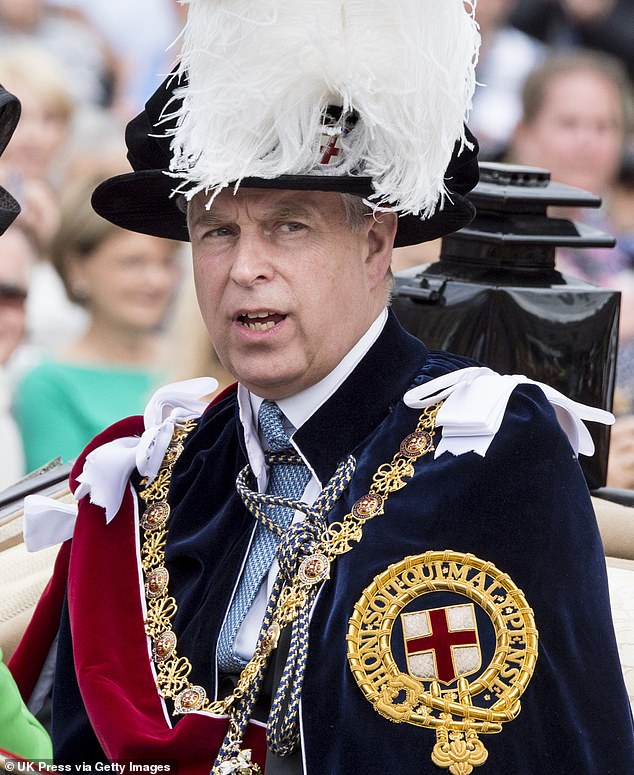
Why now? Because Andrew has been referenced in recent months without the hyphen in some contexts, as “Mountbatten Windsor,” which raised eyebrows among royal watchers and historians who point to long-standing precedent—and, more importantly, a formal directive—favoring the hyphenated version.
To be clear, there’s been no public statement from the Palace as of this writing. This is a reported tidy-up, not a grand rebrand.
The Take
I know, I know—after the tumult of the last few years, a hyphen sounds like rearranging deck chairs. But this isn’t image rehab; it’s housekeeping. The royals live and die by paperwork, and a surname in that world is less a vibe than a filing system. If the Queen said Mountbatten-Windsor, then Mountbatten-Windsor it is.
Think of it like finding a missing comma in a will. The comma won’t change anyone’s character, but it can change how the family tree is labeled for generations. A hyphen here aligns Andrew’s styling with what the late Queen formally put in writing and what appears on various royal documents across decades.
Also, a practical note: Andrew remains a prince by birth and the Duke of York. He no longer uses the HRH style and lost his military affiliations and royal patronages in 2022, but the titles aren’t erased. That’s why the surname question—normally invisible—suddenly matters; when styles and duties shift, the fine print steps forward.
Receipts
Confirmed
- The late Queen’s 1960 declaration, published in The London Gazette, set the family surname for descendants without the styles of Prince/Princess or HRH as Mountbatten-Windsor.
- Buckingham Palace stated on January 13, 2022, that the Duke of York’s military affiliations and royal patronages were returned and that he would continue not to undertake public duties; HRH style would not be used.
- Hyphenated “Mountbatten-Windsor” appears on multiple official documents, including Princess Anne’s 1973 marriage certificate and Archie Harrison Mountbatten-Windsor’s 2019 birth certificate (public records).
Unverified/Reported
- That the Palace has decided—or is close to deciding—to consistently use the hyphenated “Mountbatten-Windsor” for Andrew going forward. This has been reported by UK media but not confirmed in an official Palace statement.
- That recent unhyphenated uses were formally “agreed” with Andrew; this claim is reported, not documented in a public Palace release.
Two notices have just appeared in the London Gazette, the 1st for Letters Patent removing “HRH” & “Prince” from Andrew Mountbatten Windsor (still with no hyphen) & the 2nd for a Royal Warrant instructing the Lord Chancellor to remove the Duke of York from the Roll of the Peerage pic.twitter.com/Jm19z5ZGG5
— David Torrance (@davidtorrance) November 5, 2025
Sources (human-readable): The London Gazette, Privy Council declaration on royal surnames (February 1960); Buckingham Palace official statement regarding the Duke of York (January 13, 2022); General Register Office records for Princess Anne’s 1973 marriage certificate and Archie Harrison Mountbatten-Windsor’s 2019 birth certificate; multiple UK newspaper reports (November 11, 2025).
Backstory (For Casual Readers)
Prince Andrew stepped back from public duties in 2019 after a disastrous TV interview and scrutiny over his associations. In 2022, his military affiliations and royal patronages were removed, and he stopped using HRH. He remains the Duke of York and a prince by birth. He settled a civil lawsuit in 2022 without admission of liability and has not been charged with a crime. Since then, he’s kept a notably low profile while the Palace keeps his status low-key and procedural.
What’s Next
Watch the Court Circular, official royal websites, and future legal or ceremonial documents for how Andrew’s name appears. If the Palace standardizes “Mountbatten-Windsor” for him, we’ll likely see it land quietly—no press conference, just a line of text doing exactly what the Queen prescribed back in 1960.
One more thing: if and when the hyphen returns, expect a ripple. Style guides, archives, and media databases will update, because in royal land, punctuation isn’t just punctuation—it’s policy.
Question for readers: Does this careful attention to names and hyphens feel like meaningful tradition to you—or just royal housekeeping that distracts from bigger issues?










































Comments