

The Moment
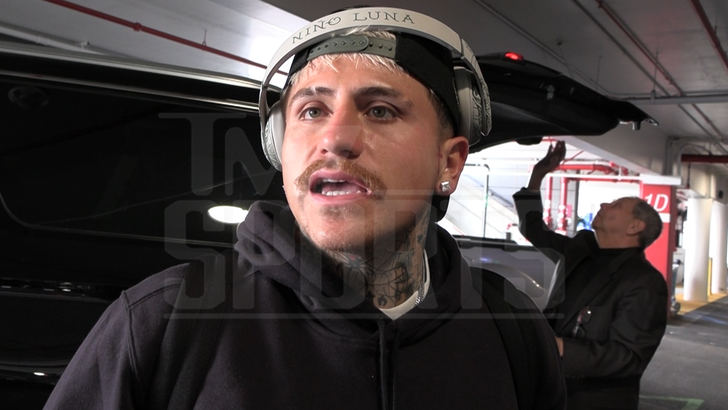
U.S. men’s national team midfielder Diego Luna just said the quiet part out loud: 2026 is make-or-break time for soccer in America.
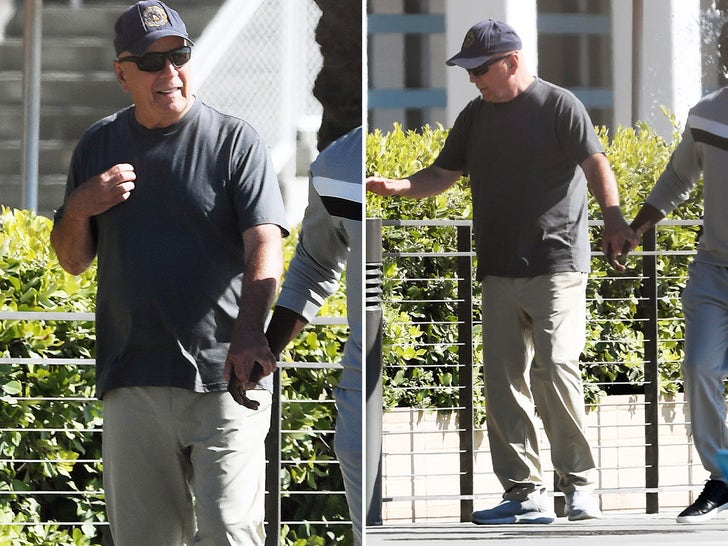
Caught at LAX in a recent sports interview, the early-20s star called the North American World Cup a once-in-a-lifetime chance, not just for players, but for the entire country. With the United States set to host the vast majority of matches in 2026, Luna says this is the moment to push the sport from niche obsession to true mainstream love.
And he is not talking small. He called it the biggest opportunity yet to make soccer a super popular sport here, praising the current U.S. squad as a very different, more versatile team than past generations.
On top of that, he worked in a nod to mental health, talking about the Love, Your Mind campaign and how more athletes are openly discussing what is going on in their heads, not just in their highlight reels.
Soccer revolution, Star-Spangled edition, with a side of emotional honesty. Not what most of us grew up with on a Saturday afternoon, but here we are.
The Take
I am with Luna on this one: 2026 really does feel like America’s soccer DTR moment – the time we finally decide if this is a real relationship or just a summer fling every four years.
On paper, the stars are absurdly aligned. FIFA already confirmed that the 2026 men’s World Cup will be co-hosted by the United States, Canada and Mexico, with the U.S. getting the lion’s share of games. Stadiums from New York to Los Angeles are locked in. That means millions of Americans who have never watched a full match may suddenly find themselves park-and-riding to group-stage showdowns.
Then, in 2028, Los Angeles hosts the Olympics, which means another round of global soccer on prime-time American TV. Two massive international tournaments in three years, both heavily U.S.-based? That is not a window; that is a garage door wide open.
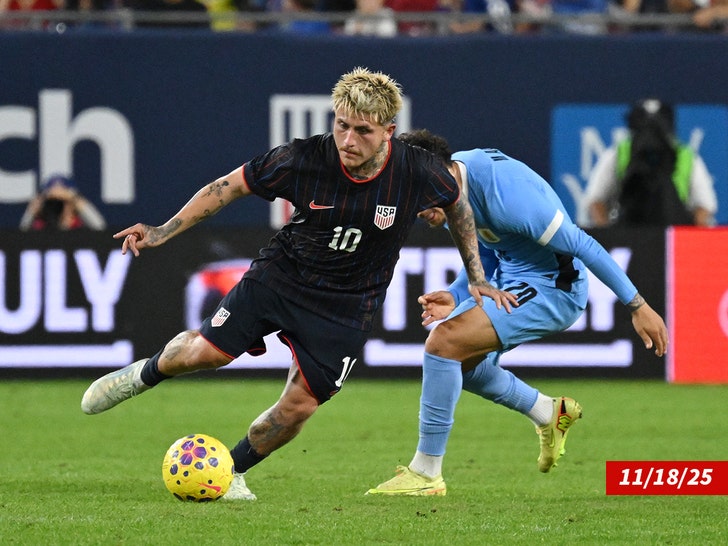
Where Luna is especially sharp is in how he talks about this U.S. team. He points out that it is not your old-school, grind-it-out, just-happy-to-be-here U.S. side. It is a mix of styles and backgrounds, with players who grew up watching Messi, not just Monday Night Football. If 1994 was the awkward first date for American soccer, 2026 might be the vow renewal with better hair and nicer outfits.
The other piece that matters more than people realize: the mental health angle. Luna talking about Love, Your Mind and the pressure athletes feel is not just fluff. If U.S. players are going to carry an entire country’s expectations into the world’s biggest sporting event on home turf, they need more than good tactics. They need to be able to sleep at night.
Will 2026 magically turn soccer into the next NFL? Probably not. But this is the best shot the sport has had since Pele came to New York and, later, when the U.S. hosted in 1994. The difference this time? The infrastructure, fandom, and social media machine are already in place. The moment is built in; it is up to players like Luna to make it feel unforgettable.
Receipts
Confirmed
- In a late 2025 airport video interview from LAX, Diego Luna calls the 2026 World Cup in the United States a once-in-a-lifetime opportunity and says it could help make soccer a super popular sport in America, describing the current U.S. team as very different from earlier versions.
- FIFA has officially awarded the 2026 men’s World Cup to the United States, Canada and Mexico, with the United States scheduled to host the majority of the tournament’s 100-plus matches, according to FIFA’s 2026 format and venue announcements from 2023.
- Luna references the Love, Your Mind campaign and speaks positively about athletes being more open regarding mental health in the same interview clip.
Unverified / Opinion
- The idea that 2026 will be the biggest moment ever for soccer in America is Luna’s prediction, not a measurable fact.
- Any claim that the tournament will automatically make soccer as popular as American football or basketball is speculative; no data can show that yet.
- How far the U.S. men’s team will advance in 2026 remains completely unknown; no official projections or guarantees exist.
Backstory (For Casual Readers)
If your main memory of soccer is orange slices and folding chairs, here is the quick catch-up. The United States hosted the men’s World Cup back in 1994, which helped kick-start Major League Soccer two years later. Then, in 1999, the U.S. women’s team won a World Cup on home soil in that packed Rose Bowl final you probably remember from news clips and magazine covers. Since then, the women’s side has been a global powerhouse, while the men have been more of an on-again, off-again presence. In the last decade, interest has surged: European leagues are now weekend TV staples, big stars have joined American clubs, and younger fans treat soccer as naturally as their parents treated baseball. The 2026 World Cup is the first time since 1994 that the men’s tournament returns to North America, and this time the United States is much more of a soccer country than it used to be.
What’s Next
Between now and 2026, the U.S. men’s team has to do more than talk a good game. They will be playing friendlies, regional tournaments and tune-up matches on home turf, all under increasing pressure to prove they can hang with the world’s best. Every roster decision, injury and coaching tweak will be dissected for what it means when the world finally arrives.
Off the field, expect an avalanche of marketing: city-by-city hype around host venues, brand-new fans buying jerseys for kids who have never watched a full match, and plenty of debates about ticket prices and who actually gets to attend. The mental health conversation Luna highlighted will likely get louder too, as athletes, psychologists and team staff talk about how to keep players centered during a once-in-a-generation spotlight.
After the World Cup wraps, the soccer story rolls into the 2028 Los Angeles Olympics, where the U.S. will have another chance to showcase its talent and fan culture in front of a global audience. If the men’s team can deliver a deep run in 2026 and the sport keeps its post-tournament buzz, Luna’s prediction about a super popular soccer era in America might look less like hype and more like hindsight.
Your turn: Do you believe the 2026 World Cup on home turf will finally make soccer a year-round obsession in the U.S., or will most Americans move on once the confetti is swept up?
Sources: Player interview with U.S. midfielder Diego Luna at LAX, published November 2025; FIFA 2026 World Cup host nation, match allocation and format announcements from 2023.




















































Comments