

The Moment
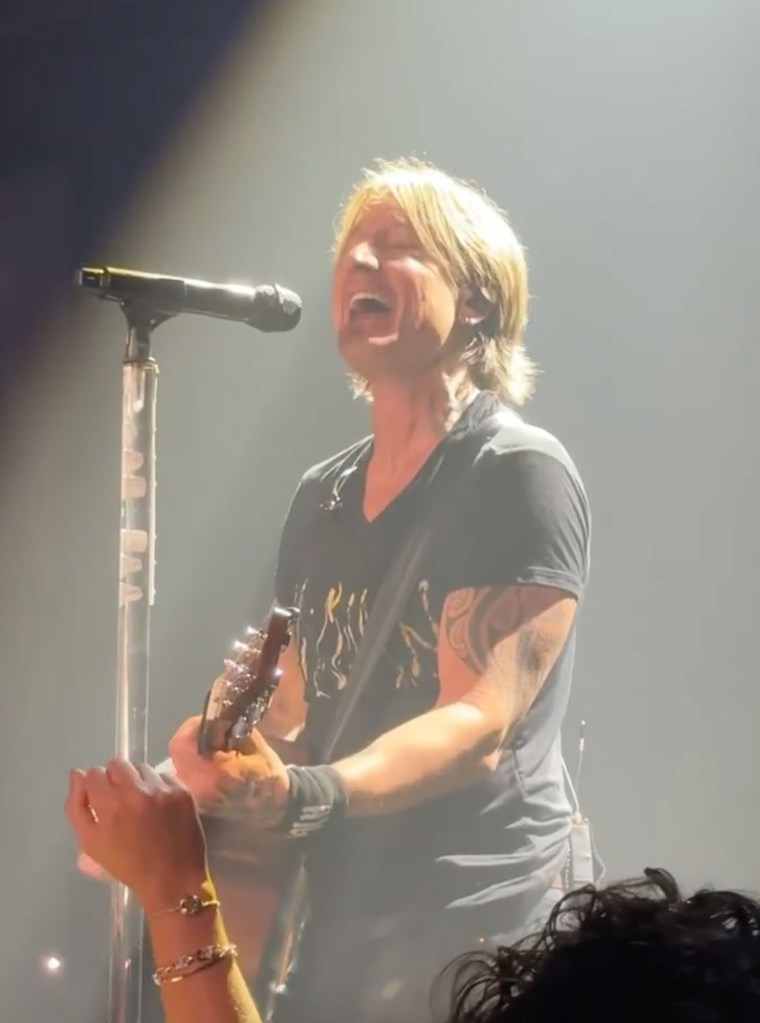
Keith Urban quietly walked into the loudest room in America: a private party at Mar-a-Lago, hosted by Australian billionaire Anthony Pratt and attended by President Trump. Video from an attendee’s Instagram showed Urban onstage, guitar in hand, singing Chappell Roan’s queer-club anthem “Pink Pony Club” and Bob Marley’s “Is This Love.”
Trump, 79, was seated next to Pratt at the event, according to people who were there and clips shared on social media. The footage spread fast, and the internet did what the internet does: half the comments cheered Urban for being in the same room as Trump, the other half said they felt “sickened” that he played there at all.

Urban’s camp has stayed silent so far. Representatives for both Urban and Roan, the rising pop star whose song he covered, have reportedly not responded to requests for comment.
Meanwhile, fans are stuck with the question artists dread most in an election year: when you take a gig in a political minefield, are you just the music… or part of the message?
The Take
I’ll be honest: of all the songs to take into Mar-a-Lago, “Pink Pony Club” is a wild choice. It’s a theatrical, queer-celebration track inspired by The Abbey, the famous gay bar in West Hollywood. Picture glitter, drag, and people living loudly. Now picture that being performed at a party for a former (and now current) president whose name is tied to some of the harshest culture-war battles of the last decade.

That clash is why this story is blowing up. It’s not just “Keith Urban played a private gig.” Lots of artists do private events. It’s where he played, who was in the room, and what he chose to sing.
Urban has spent years being the Switzerland of country-pop: friendly, non-confrontational, and pointedly vague on politics. He’s publicly said he plays to very diverse audiences “in every way, politically and pronoun, age groups, ethnicity” and has sidestepped endorsing any candidate, even when pressed during recent U.S. elections. His whole brand is: I’m here to play guitar, not start a fight.
But in 2025, playing neutral at a venue like Mar-a-Lago is like trying to “stay out of drama” while you’re literally giving a toast at the bridal table. You can say, “It’s just a gig,” but everyone else is reading it as a statement, whether you meant it or not.
There’s another layer: performing a queer bar–inspired anthem in a space associated—fairly or not—with conservative politics and anti-LGBTQ rhetoric in the wider culture. To some, that feels like subversive camp: a little rainbow smuggled into the gold ballroom. To others, it feels like the song being used as party wallpaper, disconnected from its roots.
And then there’s timing. Urban is coming off a very public separation from Nicole Kidman, who has also avoided direct political talk and calls herself an “issue-based” voter. When a long-standing, seemingly stable celebrity couple splits, both parties are watched more closely. Every new choice—where they’re seen, who they’re with, what stage they stand on—lands with extra weight.
So is Keith Urban now “a Trump guy”? We don’t actually know. It might be a very expensive private gig he treated like any other. But culturally? This is a reminder that in 2025, there are no truly neutral rooms. If you’re on that stage, you’re in the discourse whether you RSVP’d or not.
Receipts
Here’s what’s solid and what’s still fuzzy:
Confirmed
- Video posted by an event attendee shows Keith Urban performing at a private party held at Mar-a-Lago over the weekend.
- The event was hosted by Australian billionaire Anthony Pratt, with President Trump seated beside him at the gathering, as seen in the shared clips.
- Urban performed Chappell Roan’s “Pink Pony Club” and Bob Marley’s “Is This Love,” according to those same videos and attendee posts.
- Social media reactions have been sharply divided, with some praising the appearance and others saying they felt “sickened” by it.
- Reps for Keith Urban and Chappell Roan have, as of the latest reporting, not publicly commented on the performance.
- “Pink Pony Club” has been described by its creator as being inspired by an iconic gay bar in West Hollywood and is widely seen as a queer-affirming club anthem.
- In past interviews, Urban has said he plays to very diverse audiences and has declined to endorse U.S. presidential candidates, stressing that his views are reflected in his work rather than explicit political statements.
Unverified or Context, Not Proof
- We don’t have any direct statement from Urban about why he accepted this specific gig or what, if anything, he hoped it would convey politically.
- There is no public indication that Chappell Roan was informed in advance that her song would be performed at this particular event.
- Fans are speculating about Urban’s personal politics and whether this signals a “side,” but that remains speculation without his own words.
Backstory (For Casual Readers)
If Keith Urban is mostly “Nicole Kidman’s ex” in your mental filing system, here’s the quick refresher. Urban, a New Zealand–born, Australia-raised country star, has been a staple in Nashville and on reality TV talent shows for years, known for cross-over hits and a laid-back, charming stage presence. He and Kidman married in 2006, became one of Hollywood’s most enduring red-carpet couples, and quietly built a family while keeping politics at arm’s length.
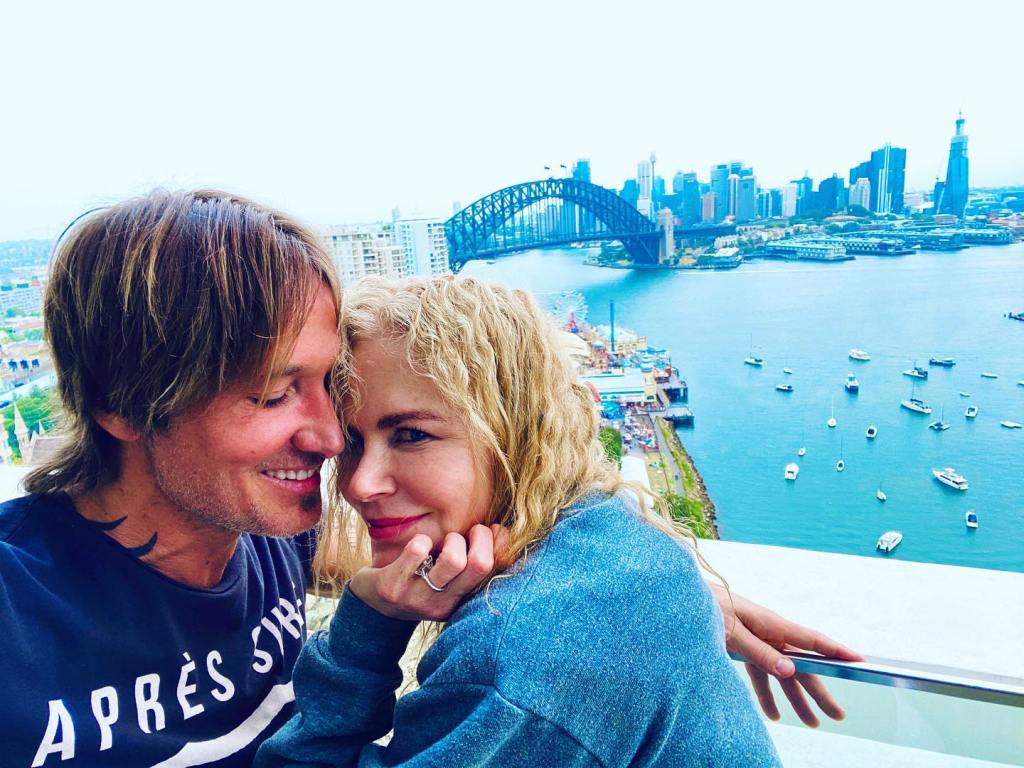
Over the years, Urban has been asked repeatedly about U.S. politics. His go-to answer: he’s a citizen, he wants to “do what’s right,” but he prefers to let his work speak and play for fans across the spectrum. Kidman has said she votes based on specific issues rather than party loyalty and tends not to wade into public ideological battles.
Recently, reports surfaced that Urban and Kidman have separated after nearly two decades together, though neither has given an in-depth public statement about the split. That silence fits their long-standing pattern: keep the drama off-mic. Which is why this Mar-a-Lago performance stands out—it’s one of the first big, unavoidably political-looking moments for Urban in a while, whether he framed it that way or not.
Chappell Roan, meanwhile, is a newer name but a huge deal in pop right now. She’s built a devoted fanbase with theatrical, queer-forward songs and visuals—think big wigs, bigger feelings, and a lot of hot pink. “Pink Pony Club” is one of her signature songs, a love letter to escaping small-town expectations and finding yourself under the disco lights.
What’s Next
So where does this go from here? A few possibilities:
- A statement from Urban. If the backlash keeps bubbling, he may eventually clarify whether he views the show as “just another gig” or something more. Even a short, carefully worded comment about playing for “all kinds of audiences” would tell us how he wants this framed.
- Reaction from Chappell Roan. Artists are increasingly vocal about where and how their songs are used. If Roan decides to weigh in about her queer-club anthem being performed in that setting, it could add a fresh layer to the conversation.
- Fan behavior. We’ll see whether this becomes a brief online flare-up or a longer-term drag on Urban’s image with part of his audience. Country and pop fans have long memories when they feel an artist has “picked a side,” even accidentally.
- More politically loaded gigs. We’re heading into another heated election cycle. Urban isn’t the first, and won’t be the last, artist to get caught in the crossfire of where they perform and who’s listening.
At the end of the day, Keith Urban may sincerely believe he’s just the guy with the guitar. But in 2025, the stage you stand on is its own kind of microphone.
Your turn: Do you see Urban’s Mar-a-Lago performance as a harmless private gig, or should big artists expect their venue choices to be read as political statements now?










Comments