

The Moment
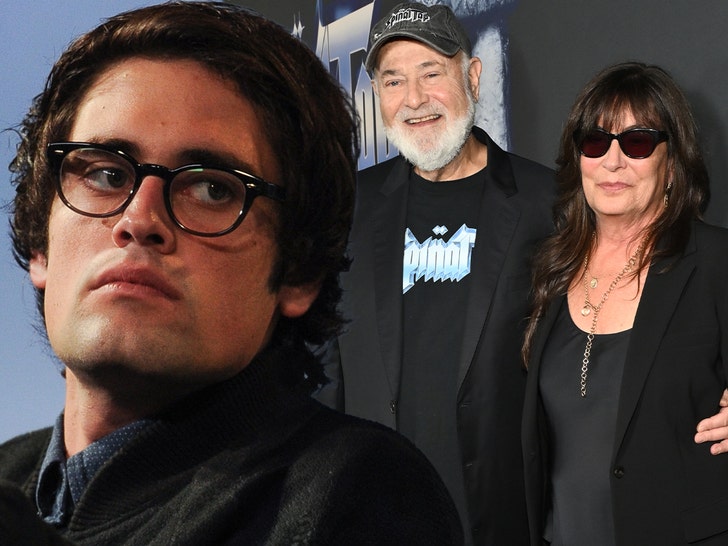
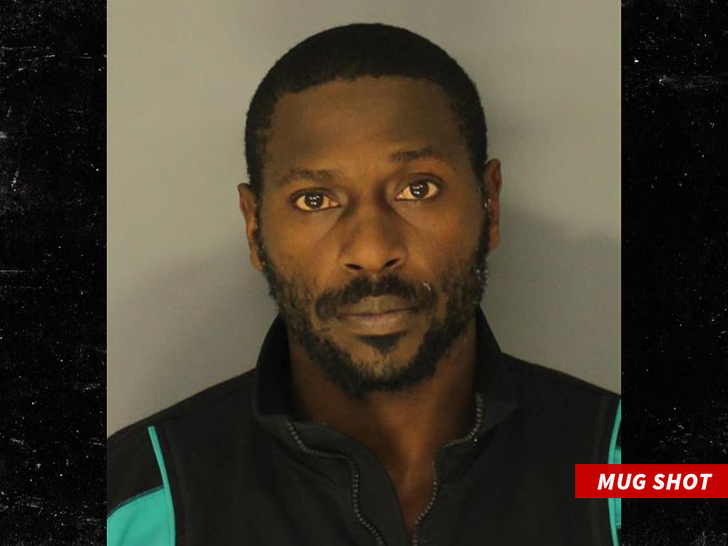
The story around Nick Reiner – son of filmmaker Rob Reiner and activist Michele Singer Reiner – has taken an even darker, more complicated turn.
In a new TV investigation airing on FOX, unnamed sources claim Nick’s mental collapse in the weeks before his parents’ killings is tied to a decision by doctors to change the medication he was taking for schizoaffective disorder. The special, titled “The Reiner Murders: What Really Happened,” is scheduled for Friday at 8 p.m. ET.
According to that report, Nick was diagnosed with schizoaffective disorder around 2020. That condition mixes symptoms often seen in schizophrenia (like hallucinations, delusions, and disorganized thinking) with mood symptoms (like severe depression or mania). In plain English: it can be brutal, confusing, and hard to treat.
Sources quoted in the special say that about a month before the killings, Nick was stable on his meds and then – for reasons they describe as baffling – his doctors changed his prescription. After that, they say, he became increasingly agitated, erratic, and dangerous, while Rob and Michele grew more alarmed and unsure how to help.
By the time of the killings, those same sources claim, Nick had suffered a complete break from reality and was never placed on a psychiatric hold while his meds were being adjusted. The special suggests this may form the heart of a possible insanity defense under California law.
The Take
I need to say this up front: two parents are dead, a son is at the center of a horrific criminal case, and an entire family is shattered. There is no version of this that isn’t heartbreaking.
But the way the story is being framed – the meds made him homicidal – deserves some serious side-eye.
We love a clean villain. If not the accused himself, then the doctors. Or the drugs. Or the diagnosis. It’s so tempting to pick one: Bad Son, Bad Meds, Bad System. Roll credits.
Real life is uglier. Severe mental illness, especially something as complex as schizoaffective disorder, is not a straight line. Med changes can absolutely be risky; they can trigger side effects, new symptoms, or destabilization if not carefully monitored. But turning this case into a simple “he was fine until the pills were switched” story is like blaming a single loose brick for an entire house collapsing when the foundation was rotting for years.
There are a few things we can hold at the same time:
- People living with schizoaffective disorder are not automatically violent. Most will never harm anyone.
- Psychiatric meds are life-saving for many, but getting the right combo and dose is often trial-and-error.
- Families frequently see danger coming and still can’t get the system to act quickly enough.
If these unnamed sources are right, Rob and Michele saw their son unraveling and didn’t know what to do next. I hear versions of that from non-famous families all the time: they’re told to wait, to watch, to come back when things get “bad enough” – usually meaning someone has already been hurt or arrested.
Then, when the worst actually happens, we act shocked and go hunting for a single, easy explanation. In this case, the TV special seems to nudge viewers toward the doctors and the prescription pad.
Should those decisions be examined? Absolutely. But we don’t have the full chart, the full history, or the doctors’ side. Hanging everything on one med switch, before we have evidence in court or from regulators, is emotionally satisfying and legally risky.
There’s also the way the insanity defense is being teased, almost like a plot twist. Under California law, the question isn’t just whether someone knew right from wrong; it also involves whether they understood the nature and quality of what they were doing. That’s a high legal bar, decided with expert testimony and hard evidence, not dramatic narration.
I’m not here to defend Nick or condemn him. A jury will eventually hear the facts; we, right now, are mostly hearing leaks. What I am wary of is a narrative that both deepens stigma against people with serious mental illness and lets our crumbling mental health system off the hook by pretending this is all about one “mysterious” med change.
Receipts
Here’s what’s solid versus what’s still in the rumor-and-sources zone:
Confirmed (as reported in current coverage and the FOX special):
- Rob Reiner, a well-known actor and director, and his wife, activist and photographer Michele Singer Reiner, were killed in what authorities have publicly described as homicides.
- Their son, Nick Reiner, is at the center of the resulting criminal case.
- A televised investigation titled “The Reiner Murders: What Really Happened” is scheduled to air Friday at 8 p.m. ET on FOX.
- That broadcast describes Nick as having been diagnosed around 2020 with schizoaffective disorder, a serious psychiatric condition combining psychosis and mood symptoms.
- The special notes that a possible insanity defense under California law may focus on his mental state at the time of the killings.
Unverified or based on unnamed sources (treat as allegations, not fact):
- That Nick was “stable” on his medication until about a month before the killings.
- That his doctors changed his meds for reasons that allegedly “made no sense.”
- That the med change directly caused a rapid spiral into agitation, erratic behavior, and dangerousness.
- That doctors did not attempt to place him on a psychiatric hold during this period.
- That he suffered a complete break from reality by the time of the killings.
- That his legal team will center its strategy on the idea that those medical decisions rendered him “legally insane.”
Sources: A FOX television investigation special on the Reiner case (airing Jan. 8, 2026) and contemporaneous entertainment news reporting and publicly available information as of Jan. 8, 2026.
Backstory (For Casual Readers)
If you know Rob Reiner mainly as “Meathead” from All in the Family or the director of When Harry Met Sally… and A Few Good Men, you already know he’s Hollywood royalty. His wife, Michele Singer Reiner, was less in front of the camera but deeply involved in activism and philanthropy. Their son Nick moved into writing; the family has, in the past, spoken publicly about his struggles and treatment in connection with their film Being Charlie, which followed a young man in rehab.
This new case, involving the killing of both parents and questions about severe mental illness, takes that already-complicated family history into unimaginable territory. It’s the kind of story that blends celebrity, crime, and psychiatry in a way that TV and social media feed on – often without much nuance.
What’s Next
Legally, the next big beats will likely be hearings and filings that clarify exactly what Nick is charged with, what his lawyers plan to argue, and how much of the mental health story makes it into open court. An insanity defense, if it’s formally raised, is rare and hard to win; it turns on expert testimony, medical records, and a detailed look at his state of mind at the exact time of the killings.
For the rest of us, the question is how we talk about this without doing more damage. Blaming psychiatric meds across the board can scare people away from treatment they desperately need. Ignoring the possibility of medical mistakes or systemic failures is just as dangerous.
If anything good can come from such a horrific case, it might be a more honest conversation about what families can realistically do when they see a loved one slipping: how easy (or not) it is to get someone evaluated, what the real rules are around psychiatric holds, and why even well-connected, well-resourced families can find themselves helpless.
One thing that is clear: until we see documented evidence and sworn testimony, all the “this one decision caused everything” stories are just that – stories. The truth is almost always more tangled.
How do you think we should balance personal responsibility, medical decision-making, and the failures of our mental health system when we talk about a tragedy like this?































































Comments