

The Moment
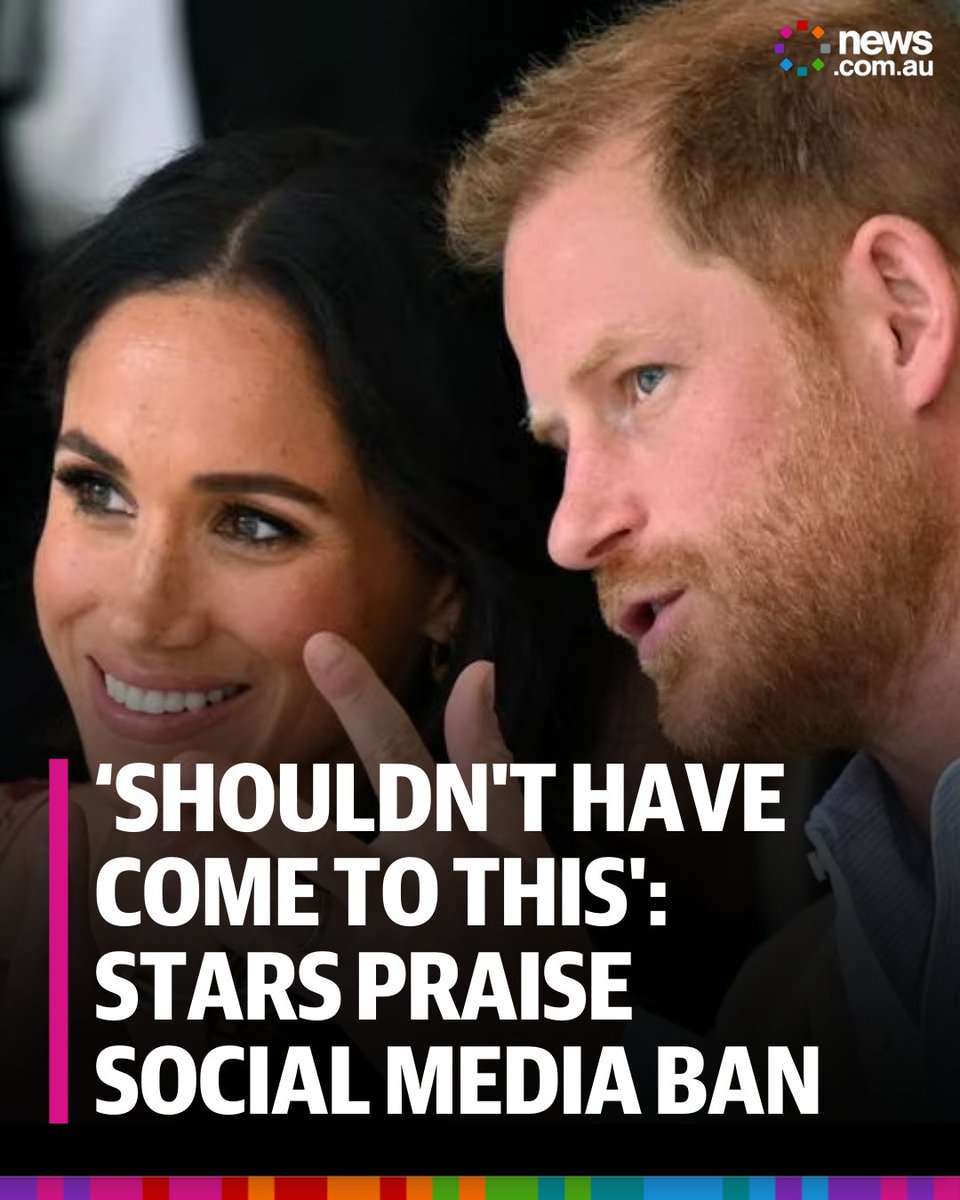
Australia is openly flirting with a tough new line on kids and social media, and somehow Prince Harry and Meghan Markle have been pulled into the conversation.
On one side, you’ve got Prime Minister Anthony Albanese’s government asking whether children should be on social media at all, and floating ideas like minimum ages and stricter rules for tech giants. On the other, you’ve got Harry and Meghan, who have spent the last few years building a post-royal brand around online safety, mental health, and calling out “the toxicity of the internet.”
{{image:image:dailymailus-0001-twitter-1999046516225577130-img01}}
So when the phrase “social media ban” pops up next to “Prince Harry, Meghan, and Albanese” in headlines, it feels like modern life Mad Libs: a royal couple, a center-left Australian prime minister, and TikTok.
Prince Harry and Meghan Markle give their thoughts on Australia’s social media ban. Full story: https://t.co/pyEaTGfq7v pic.twitter.com/lMgShLHOc4
— news.com.au (@newscomauHQ) December 11, 2025
The bigger story here isn’t just who posed with whom or which panel they might sit on. It’s this: should celebrities with huge platforms help shape how governments handle social media, or is this one of those times when star power makes a hard issue even messier?
The Take
I’ll say the quiet part out loud: Harry and Meghan are not wrong about social media being rough on kids. They’ve sat with parents whose children were harmed by online bullying and algorithms. They’ve heard stories most of us pray we’ll never face.
But turning that pain into public policy is another level, especially in a country that isn’t even theirs.
Australia is already one of the strictest places on earth when it comes to online content. The federal government has an eSafety Commissioner who can order takedowns of harmful material, and Albanese’s team has been openly exploring age limits or stronger guardrails for kids on platforms like Instagram and TikTok.
Drop Harry and Meghan into that mix and the optics get… complicated. Suddenly it’s not just experts and parents weighing in; it’s a couple who walked away from royal duty, built a media empire, and now sit in California telling tech companies and governments to “do better.” Cue the eye rolls, the think pieces, and the inevitable “who elected them?” chorus.
Here’s where I land: their stories matter; their celebrity should be kept on a very short leash.
If Harry and Meghan use their Archewell Foundation work to amplify what Australian researchers, parents, and mental health professionals are already saying about kids and social media? Great. That’s the charitable version of influence: spotlight, not steering wheel.
But if we start treating royal soundbites like a shortcut around slow, boring things – research, consultation, and real debate about free speech and teen autonomy – then we’re in trouble. Policy made on vibes and headlines tends to age about as well as low-rise jeans the first time around.
Think of it this way: your favorite singer can convince you to try a new skin cream. That doesn’t mean you want them rewriting your pharmacy regulations.
Receipts
Confirmed
- The Albanese government has publicly asked Australia’s eSafety Commissioner and other experts to examine options for stronger protections for children on social media, including looking at possible age limits and stricter verification, according to Australian government statements in 2023-2024.
- Prince Harry and Meghan, through their Archewell Foundation, have made online safety and youth mental health a core focus, funding initiatives on “responsible technology” and hosting conversations with parents whose children were harmed online, as described in Archewell’s official project summaries and public events from 2021-2023.
- Harry and Meghan have repeatedly criticized social media platforms for spreading hate and harming young people’s mental health in on-record speeches, interviews, and panels, including a 2023 mental health event in New York.
Unverified / Framed With Caution
- Any claim that Prince Harry and Meghan are personally designing or directly negotiating Australian social media law is not supported by official government documents as of late 2024.
- Headlines that imply a blanket “social media ban” for all Australian kids are, at this stage, shorthand for a range of ideas under discussion – from tighter age checks to limits for younger teens – rather than a final, confirmed policy.
- Specific behind-the-scenes conversations between the Sussexes and Australian leaders, if they occurred, have not been detailed in official public readouts.
Backstory (For Casual Readers)
If you haven’t been tracking Australian politics between episodes of “The Crown,” here’s the cheat sheet. Anthony Albanese, a Labor Party prime minister, came to power promising a more active government on things like climate, cost of living, and digital safety. His team has pushed tech companies harder on violent and abusive content than many other democracies.
Meanwhile, Prince Harry and Meghan left their working royal roles in 2020, moved to California, and built the Archewell Foundation, a charity plus media machine. One of Archewell’s big pillars is online safety – especially for kids – which has led them into rooms with mental health experts, Silicon Valley critics, and grieving parents. They’ve never been shy about calling tech platforms “out of control” when it comes to young users.
So when Australia – a country already inclined to regulate hard – starts talking about turning the screws on social media for kids, it’s inevitable that commentators connect the dots to one of the world’s loudest royal-adjacent couples on the same issue.
What’s Next
In the short term, watch for two things.
First, how far Australia is actually willing to go. Commissioning studies and floating big ideas is one thing; passing enforceable laws that survive court challenges and don’t break the internet for everyone else is another. Expect more reports, draft bills, and intense arguments about privacy, parental rights, and free expression.
Second, how Harry and Meghan choose to play it. If they stick to their lane – elevating parents’ stories, funding research, nudging tech companies toward safer design – they can be genuinely useful megaphones. If they’re seen as foreign celebrities cheering on heavy-handed rules in someone else’s country, the backlash could drown out the very message they care about.
Either way, the days of treating Instagram and TikTok as harmless teen hobbies are over. Governments are getting involved. The only real question is who we let sit closest to the drafting table: scientists, parents, educators… or celebrities with great lighting and strong opinions.
Your turn: If your kids or grandkids lived in Australia, would you welcome stricter age rules on social media – even if they came packaged with royal star power?
Sources
- Australian Government communications and public remarks on online safety and inquiries into children’s social media use, 2023-2024.
- Archewell Foundation project descriptions and public summaries of online safety and mental health initiatives, 2021-2023.
- Public speeches and panel appearances by Prince Harry and Meghan Markle discussing online harms and youth mental health, including a World Mental Health Day event in New York, October 2023.




Comments