

The Moment
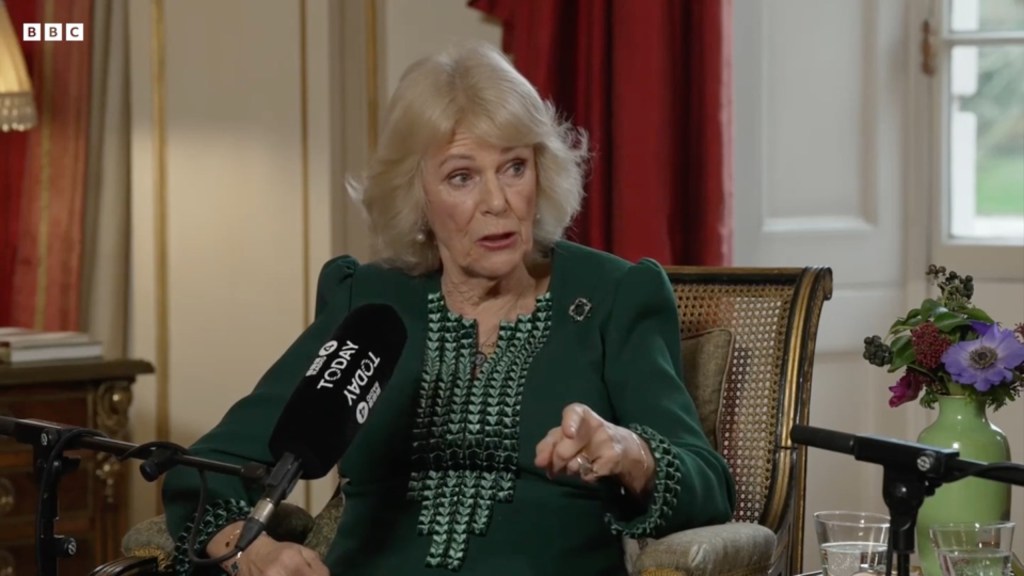
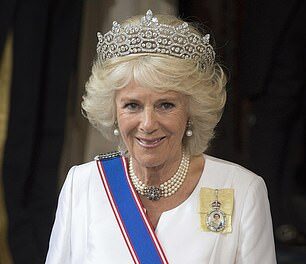
Queen Camilla has revealed, for the first time in her own voice, that she was sexually assaulted on a train as a teenager – and that she fought back.
Speaking on BBC Radio 4’s Today programme, the 78-year-old queen described sitting quietly, reading a book, when a boy – then corrected to a man – began to assault her. She says she did fight back, but what stayed with her wasn’t fear. It was fury.
Camilla recalled getting off the train to a confused mother asking why her hair was wild and a button missing from her coat, not yet knowing what had just happened to her daughter. The queen says the anger from that day “lurking for many years” only really found a voice now, as she spoke in the context of domestic abuse and recent tragedy.
She tied her story to BBC commentator John Hunt’s family – his wife, Carol, and daughters Louise and Hannah were killed by Louise’s ex-partner – saying that when you hear stories like theirs, you cannot help but feel strongly about tackling abuse.
It’s not actually the first time Camilla has mentioned the incident, but it’s the first time she has owned it in public. Former London mayor Boris Johnson was told a version of the story in a private conversation years ago, according to communications director Guto Harri and royal author Valentine Low. In that account, teen Camilla reportedly took off her shoe and hit the man in the groin to make him stop.
The Take
I’ll be honest: I did not have “Camilla as teenage train vigilante” on my 2025 royal bingo card. Yet here we are, with the woman long branded as the steely, unflappable half of the royal marriage revealing a moment of raw, ugly vulnerability – and a very practical self-defense move.
What strikes me isn’t just the story itself, but why she chose to share it now. This isn’t a cozy fireside confession about a lost first love. It’s a queen talking about sexual assault and domestic homicide on a major radio programme. For a family that still treats emotion like a leak in the palace roof, that’s significant.
Camilla has spent years fronting campaigns around domestic violence and sexual abuse, but that work has often been framed as “dutiful royal wife doing the cause-of-the-day.” Hearing her say, in effect, “This happened to me too,” suddenly changes the tone. The advocacy stops being abstract and becomes personal.
Culturally, this is one more brick in a wall that’s been slowly going up since #MeToo: powerful women disclosing assaults that happened when they were young, on public transport, on the street, in everyday life. The setting is painfully familiar to so many women – a train, a stranger, a creeping hand – and that’s exactly the point.
If the monarchy is a giant marble statue, this moment is one of the visible cracks. Not the kind that topples it, but the kind that finally proves it’s human stone, not mythic granite. You can see the imperfection, and oddly, it makes the thing more believable.
There’s also something quietly radical about the detail that she was angry, not ashamed. Plenty of survivors absorb the message that they should shrink, smooth it over, forget. She remembers being furious – and acting on it. That doesn’t make the assault any less serious, but it does offer a different script: you’re allowed to be outraged.
At the same time, let’s not over-romanticize the shoe moment. Not everyone can safely “whack him in the nuts,” as she reportedly did, and many survivors freeze or comply just to survive. Camilla’s story doesn’t cancel out those realities; it simply adds one more lived experience to the conversation.
Receipts
Confirmed
- Queen Camilla said on BBC Radio 4’s Today programme that, as a teenager, she was “attacked on a train” by someone she did not know and that she “did fight back,” recalling intense anger afterward and her mother noticing her disheveled appearance.
- She linked her decision to speak publicly to recent coverage of BBC commentator John Hunt’s family, including the killings of his wife Carol and daughters Louise and Hannah by Louise’s ex-partner, and to her long-standing concern about domestic abuse.
Reported / Unverified Details
- Author Valentine Low writes in his book Power and Palace, citing former London mayor Boris Johnson’s then-communications director Guto Harri, that Camilla described the incident years ago as an attempted sexual assault on a train to Paddington when she was around 16 or 17.
- In that reported account, when asked what she did, she allegedly replied that she took off her shoe and hit the man in the groin with the heel, and that the stranger was later arrested. These details come via secondhand reporting, not Camilla’s own on-air description.
Sources: BBC Radio 4’s Today interview with Queen Camilla (late December 2025); Valentine Low’s book “Power and Palace” (September release), as summarized in subsequent reporting.
Backstory (For Casual Readers)
If you’ve only half-watched the royal circus since Diana’s days, here’s the quick catch-up. Queen Camilla, once widely painted as Prince Charles’ “other woman,” has spent the last two decades slowly rehabbing her image – first as Duchess of Cornwall, then as queen consort when Charles became King Charles III in 2022. While William and Harry have dominated drama headlines, Camilla has kept a lower, steadier profile, quietly attaching her name to literacy programs and, increasingly, campaigns around domestic and sexual abuse.
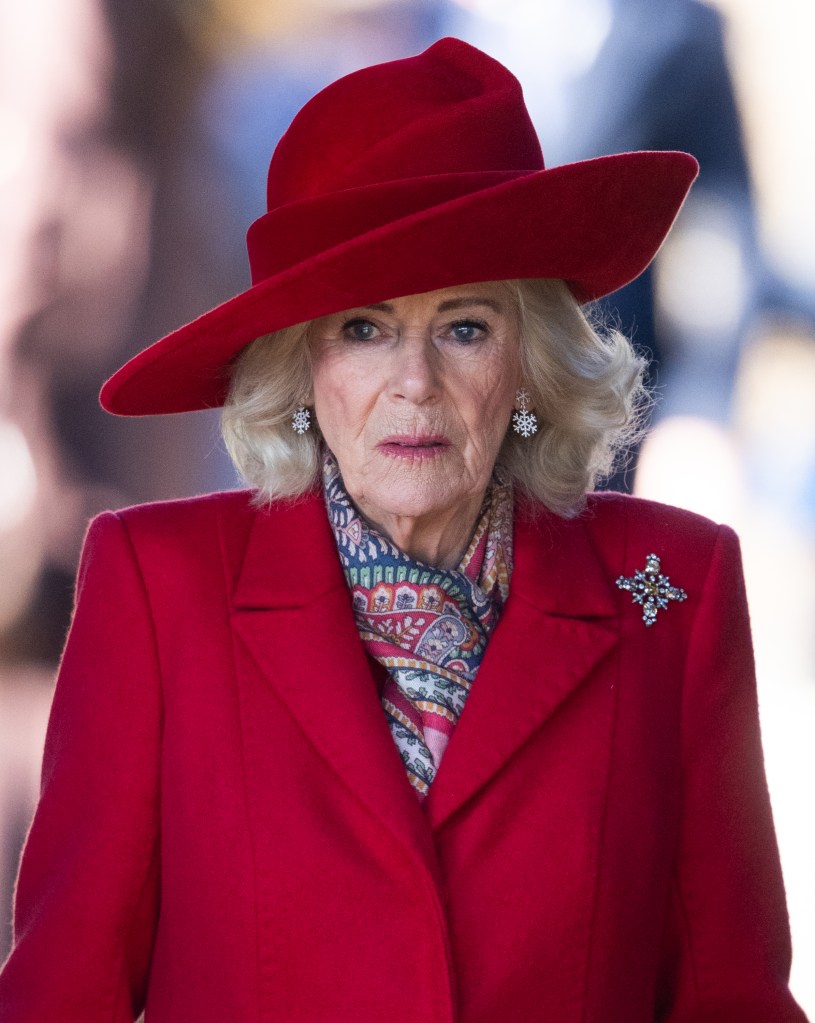
In that context, her new disclosure isn’t a random overshare; it fits a long-term pattern of trying to reposition herself from royal villainess to older woman who’s seen things and wants to talk plainly about them. She’s 78 now, well past the age of worrying about Instagram sympathy points. This feels more like legacy-setting than image rehab.
What’s Next
So where does this go from here? Expect Camilla’s future speeches and visits tied to domestic violence, stalking, and sexual assault to carry a different weight. Once you’ve said, “This happened to me,” it’s hard to go back to purely scripted palace platitudes.
We could also see more survivors, especially older women, feeling emboldened to speak up about things that happened decades ago and were buried under layers of “Don’t make a fuss.” When someone of Camilla’s age and status says she spent years with her anger “lurking,” it quietly validates a lot of long-silenced stories.
On the royal side, this tests how far the institution is really willing to go with honesty. One queen talking about sexual assault doesn’t magically modernize a centuries-old system, but it does nudge the palace toward acknowledging the same uncomfortable realities everyone else faces on the 8:10 to Paddington.
And beyond the monarchy, this is a reminder that high-profile disclosures should always come with something practical attached. If you or someone you know is affected by any of the issues raised in this story, the article that first highlighted Camilla’s remarks pointed readers to a Sexual Assault Hotline at 1-800-330-0226. You can also contact trusted local services, shelters, or national hotlines in your own country for confidential support.
Camilla has added her story to a wider, painful chorus. The real test will be whether the conversation leads to better protection, better education, and more people feeling safe enough to say, “This happened to me too” – with no shame, and no need to stay silent for decades.
What do you make of Camilla choosing to share this now – genuine late-life honesty, smart royal rebranding, or a bit of both?










Comments