

The Moment
Rebel Wilson has moved her fight with the producers of her film The Deb from the courtroom to prime-time TV, and it is messy.
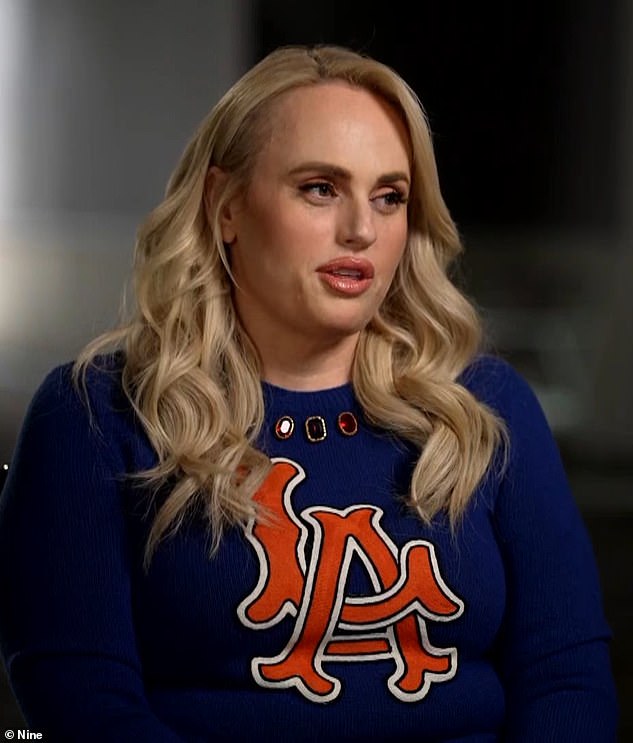
In a recent sit-down on the Australian edition of 60 Minutes, the 45-year-old actor and first-time director repeated a claim she’s already made in court filings: that the movie’s lead, 26-year-old Charlotte MacInnes, told her she felt sexually harassed by producer Amanda Ghost during a post-swim shower situation in Sydney.
Wilson says MacInnes came to her, described being invited to share a bath or shower with Ghost after a cold dip at Bondi Beach, and that she-Wilson, as director-treated it as a sexual harassment complaint she was duty-bound to report. Wilson also says that once she did, the “retaliation” against her began.

Here’s the twist: both MacInnes and Ghost flatly deny that any harassment happened. In a written statement referenced in court documents, MacInnes says she never told Wilson she felt uncomfortable, never reported any trauma, and calls the more extreme claims made in Wilson’s legal filings-things like “depraved sexual demands” and being kept “captive” by producers-“completely false and absurd.”
Meanwhile, producers Amanda Ghost, Gregory Cameron and Vince Holden have sued Wilson for defamation, accusing her of inventing vicious behaviour, embezzlement claims and an online smear campaign through mysterious, nasty websites. Wilson, on TV and in her countersuit, says she had nothing to do with those sites and insists she simply tried to protect her lead actress.
So we’ve got a director, her star, and her producers, all telling wildly different stories about the same night-and now about each other.
The Take
I don’t know about you, but this feels less like a quirky Australian musical and more like a full-season prestige drama about workplace power and reputation.
On one side, Wilson is positioning herself as the boss who did the “right thing” in the #MeToo era: listen, believe, report. On the other, her own lead actress is essentially saying, “That’s not what I said, and now your story is harming me.” That’s a brutal reversal.
This is what makes the situation so uncomfortable to watch. For years we’ve begged Hollywood to take harassment seriously. Now we’re looking at a case where the supposed victim is loudly rejecting the label and accusing the person who “reported for her” of overstepping and lying. It’s the HR nightmare version of telephone-except the fallout comes with lawyers, headlines and a film’s reputation on the line.
Then there’s the allegation of an online smear campaign. The producers say Wilson sicced her team on them, seeding the internet with anonymous, ugly claims. Wilson says she “read it like everyone else” and might have gossiped about it privately, but insists she had “zero” involvement in making any site. Somebody started those fires; right now, the public is being invited to pick a culprit with almost no verifiable digital proof in the open.
The whole thing exposes how fragile trust is on a set. Movies are supposed to be all about collaboration and creative chemistry. Here, the accusations read like a divorce filing for an entire workplace: money fights, credit fights, personality clashes, and now a disputed shower story sitting at the centre of it all.
My read? This is less a clean “believe her / don’t believe her” moment and more a textbook case of how personal dynamics, power imbalances and legal strategy can twist a single awkward interaction into a career-defining war. It’s like watching three different directors cut the same scene in completely different genres-romance, horror and farce-and asking us which version is “true.”
Receipts
Confirmed (from legal filings and on-the-record statements)
- Producers Amanda Ghost, Gregory Cameron and Vince Holden filed a defamation lawsuit against Rebel Wilson in Los Angeles in 2024, accusing her of making false claims about embezzlement and abusive behaviour, according to court complaints.
- Wilson has filed a countersuit accusing the producers of sabotaging the film, embezzling funds and sexually harassing the lead actress; these are allegations, not proven facts.
- In her countersuit and in a televised interview on 60 Minutes, Wilson describes MacInnes coming to her and saying she felt uncomfortable after being invited to bathe or shower with producer Amanda Ghost, and says she treated it as a sexual harassment complaint.
- In a signed statement referenced in court documents, Charlotte MacInnes says she was never sexually harassed by Ghost, never complained to Wilson about feeling uncomfortable, and was “deeply disturbed” by Wilson’s behaviour as her director.
- Both MacInnes and Ghost explicitly deny that anything “uncomfortable” or harassing occurred in the shower/bath incident as described by Wilson.
- The producers’ lawsuit also claims there were disputes over writing credits and Wilson’s behaviour during the making of The Deb, which premiered at a major film festival in 2024.
Unverified or Contested
- Whether MacInnes actually reported feeling sexually harassed to Wilson. Wilson says she did; MacInnes says she did not.
- The exact nature of what happened in the shower/bath scenario after the Bondi Beach swim; each woman describes or frames the interaction differently.
- Claims that producers embezzled funds or acted with “absolute viciousness”; those are allegations in legal filings, not established in court.
- Allegations that Wilson directed or encouraged an online smear campaign or commissioned “malicious” websites about Ghost. Wilson categorically denies this; the producers allege it. No independent public evidence has settled that question.
Backstory (For Casual Readers)
If you haven’t been tracking every twist, here’s the short version. The Deb is a small Australian musical film directed by Rebel Wilson, adapted from a stage show about a rural debutante ball. What started as a passion project turned into a legal saga in 2024 when the film’s producers sued Wilson in Los Angeles, saying she made up stories about stolen money and abusive behaviour. Wilson hit back with a countersuit, accusing them of exactly the sort of bad behaviour they say she invented, plus alleging that one producer sexually harassed the lead actress. Somewhere in the middle of this, anonymous websites popped up making lurid claims about producer Amanda Ghost, and the fallout spread from the courtroom to interviews and social media.
What’s Next
Legally, the big question is which parts of these dueling stories ever make it to a full trial-and which get chipped away in pre-trial rulings or quiet settlements. Defamation cases are hard to win, especially when everyone involved is a public figure, and the bar for proving “actual malice” is high.
Rebel Wilson Film Lawsuit Summary
Production firms behind Rebel Wilson’s directorial debut, “The Deb,” are seeking an anti-suit injunction in the NSW Supreme Court to block her California claims over the troubled film. They argue disputes must be resolved under NSW law. Wilson… pic.twitter.com/2O480H02ae
— anreads (@newyorktaxcon) November 20, 2025
For Wilson, the risk isn’t just financial. She’s stepped into a more serious lane in recent years, moving from pure comedy into producing, directing and telling her own story in detail. Doubling down on these claims on national TV ties her personal brand to this feud even more tightly. If a court finds there’s no basis for her more dramatic accusations, that will hang over any future “inspirational” projects she leads.
For MacInnes, who is still at the very start of her career, this is delicate territory. She’s now on record contradicting her own director in legal documents, which is brave but also risky in an industry that doesn’t always reward young actors who push back. However this ends, her name will now always be Googled alongside “harassment claims”-even though she’s specifically saying she wasn’t harassed.
The producers, meanwhile, are clearly trying to draw a hard line: they want a public record that Wilson’s more extreme claims were false and damaging. Whether they get that through a court victory or a settlement with conditions, the goal is the same-reputation control.
Beyond the individual careers, this case is going to be cited in every behind-the-scenes argument about how to handle “gray area” complaints on set. When someone in power says, “I was just protecting you,” and the person they claim to protect says, “You made it worse,” whose version do we treat as the official story?
So I’ll put it to you: when a powerful colleague believes you’ve been wronged and goes public in your name-but you insist you weren’t-where should the line be between speaking up and overstepping?






































Comments