


The Moment
If you are a longtime fan of The Wire, the headlines about yet another loss from the cast feel like a punch to the gut.
Recent reports say James Ransone, the actor who played chaotic dockworker Ziggy Sobotka and later became a horror favorite in the It and Sinister franchises, has died at 46 in Los Angeles, with his family and friends confirming it was suicide in public tributes. His widow, Jamie McPhee, shared a heartbreakingly intimate pregnancy photo on Instagram, while co-star Wendell Pierce and director Andy Muschietti posted their own farewells on social media.
Actor James Ransone, famous for his roles in ‘It: Chapter Two,’ ‘The Black Phone’ films and ‘The Wire,’ died by suicide, according to the Los Angeles County Medical Examiner’s office. He was 46. https://t.co/skNk40kShz pic.twitter.com/4MSb92RWCn
— HollywoodLife (@HollywoodLife) December 22, 2025
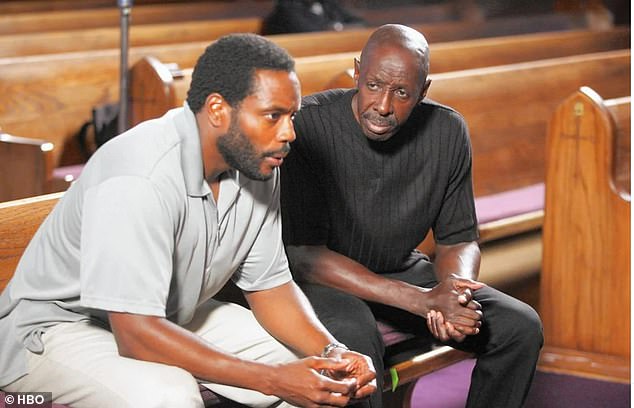
Ransone’s reported death arrives on top of a devastating roll call: Lance Reddick, Michael K. Williams, Reg E. Cathey, Robert F. Chew, and Melvin Williams, whose real-life story helped shape the series. Another alum, Charles (Charley) Scalies, who played Horseface in season two, has also reportedly passed away in recent months after living with Alzheimer’s.
For fans, especially those who first watched the show in the early 2000s and have grown older alongside this cast, it is hard not to feel like a cloud is hanging over The Wire. And that is exactly why the word people keep reaching for – curse – is starting to feel more than a little off.
The Take
I get why people say there is a curse. When several beloved actors from the same show die relatively young, the brain wants a story to explain the pain. A neat label feels easier to hold than messy realities like addiction, mental illness, heart disease, and the simple cruelty of time.
But calling it the curse of The Wire does something sneaky: it shifts the focus from how these men lived and what they struggled with to a spooky, fake pattern that lets us off the hook from thinking about the hard stuff.
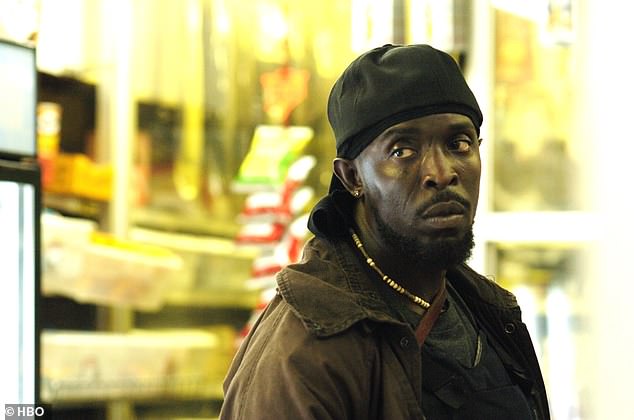
It is also, frankly, a little disrespectful. James Ransone spoke very plainly in past interviews about being sexually abused by a tutor as a teenager, falling into heroin and alcohol addiction, and clawing his way to sobriety in his late twenties. Michael K. Williams was just as open about his own battles with drugs. Reg E. Cathey’s death from lung cancer, Robert F. Chew’s fatal heart attack, Melvin Williams’ later-life health issues – none of that is a mystical curse. It is trauma, health, and mortality.
Blaming a curse is like blaming a book club when several of its members get sick years later. The connection feels eerie, but the real story is in the individual lives, not the shared title in their resumes.
There is another reason to retire the curse framing: it glamorizes tragedy. These men were more than their deaths. Ransone brought raw, jittery humanity to Ziggy and then turned himself into an unlikely horror hero. Lance Reddick’s quiet authority anchored every scene he was in. Michael K. Williams made Omar Little so layered and vulnerable he became one of the most iconic TV characters of all time. Reducing all that to a spooky talking point undersells what they gave us.
Grief is allowed to be just grief. We do not have to turn it into folklore to feel how heavy it is.
And if there is anything The Wire itself tried to teach us, it is that systems and circumstances shape people in brutal ways. Poverty, violence, broken institutions, and untreated trauma leave scars. Calling that a curse lets us avoid talking about access to mental health care, the way the industry uses and discards talent, and how addiction is still so heavily stigmatized.
If you or someone you love is struggling with thoughts of self-harm, reaching out for help is not weakness. In the United States, you can call or text 988 to connect with the Suicide and Crisis Lifeline any time.
Receipts
Here is what is grounded in public record and reporting, and what is more tentative right now.
Confirmed
- Lance Reddick, who played Cedric Daniels, died at 60 in March 2023, according to widely reported obituaries and statements from his representatives.
- Michael K. Williams, Omar Little on the series, died in 2021 in New York; officials ruled his death an accidental drug overdose, as documented in public court and medical records.
- Reg E. Cathey, who played political operator Norman Wilson, died in 2018 at 59; his death from lung cancer was acknowledged in family and industry tributes at the time.
- Robert F. Chew, beloved for his role as Proposition Joe, died in January 2013 at 52; his family and friends confirmed it was due to heart-related issues at his Baltimore home.
- Melvin Williams, the former Baltimore drug figure whose life partly inspired the series and who appeared as the Deacon, died in his 70s in 2015; his death was reported in local and national news.
Reported / Not yet independently verified here
- James Ransone, Ziggy Sobotka in season two, is reported to have died by suicide at 46 in Los Angeles, with his family and friends acknowledging his death and cause in public social media posts. Those details are based on recent news coverage and the language of those tributes.
- Charles (Charley) Scalies, who played Horseface Pakusa, is reported to have died in his 80s after living with Alzheimer’s, according to recent obituaries and cast tributes.
- Specifics about Ransone’s 1990s abuse and his later recovery from heroin addiction come from his own past interviews, where he spoke on the record about sobering up in his late twenties and the long shadow of that early trauma.
Backstory (For Casual Readers)
If you missed the early buzz, The Wire ran from 2002 to 2008 and followed Baltimore’s drug trade, police, schools, politics, unions, and media in one sprawling story. It was not a big ratings hit at first, but over time it became the show everyone in your life with a box-set habit insisted you had to watch. Its cast was stacked: Idris Elba, Dominic West, Michael K. Williams, Lance Reddick, Wendell Pierce, Wood Harris, and many more built careers off its slow-burn realism.
The show’s power came from how it treated every character – corner kid, cop, teacher, politician, addict – as a full human being caught in systems bigger than them. That is part of why these real-life losses land so hard: for many viewers, it feels like losing people we actually knew.
What’s Next
In the near term, expect more tributes than tidy explanations. Former cast members and creators will likely continue to share memories of working with Ransone and the others, turning social media into a kind of digital wake for a show that has never really left the culture.
There will probably be more think pieces leaning into the curse narrative, because it is an easy, dramatic hook. But there is also room for something better: honest conversations about how the industry supports (or fails) actors dealing with addiction, trauma, and aging, and about how we, as fans, talk about suicide and overdose without mythologizing them.
If anything good can come out of this wave of grief, maybe it is this: using our love for The Wire to pay closer attention to the living people behind the characters, and to push for a world where men like James Ransone and Michael K. Williams are not fighting their battles alone.
Sources: Public obituaries and news reports on the deaths of Lance Reddick (March 2023), Michael K. Williams (September 2021), Reg E. Cathey (February 2018), Robert F. Chew (January 2013), and Melvin Williams (2015), along with widely shared social media tributes and recent reporting on James Ransone and Charles Scalies, plus Ransone’s own past published interviews about addiction and recovery.
Join the Conversation
When you see headlines calling this a curse, does it help you process the loss, or does it feel like it cheapens very real grief and struggle?

































Comments